Image

22 September, 22 October and 26 November 2026 | The Hague
While Europe is focused on defending its Eastern borders, Africa’s rise on the global stage continues unabatedly. The dismissal of French forces in Africa showcases a diversification of security partners, Chinese infrastructural investment highlights the global interest in African commodities, and African critiques of the global order underline a growing assertiveness in the diplomatic arena. Although it may often seem as if Europe and Africa are drifting apart, the Russo-Ukraine War illustrates that, as direct neighbors, the futures of both continents are closely intertwined and mutually dependent. While Russian mercenaries are operating in the Sahel, African mercenaries are lured to the Russian frontlines. The war also exposed an African reliance on Ukrainian grain and Russian weaponry, while the African Union launched a diplomatic mission to president Putin and president Zelensky to forge peace. Europe’s desire for strategic autonomy must therefore not only focus on its Eastern Flank, but also reconsider its relations with its southern neighbors, most importantly the African continent.
This seminar examines the promises and perils of European strategic autonomy by incorporating African perspectives. An esteemed line-up of academic experts, military officers, policy makers and diplomats will examine the future of African-European cooperation through a military, an economic, and a diplomatic lens. This three-part seminar series is a joint initiative by the KVBK, the Knowledge Hub Africa of the Netherlands Defence Academy, and Leiden University.
22 September | Military cooperation
22 October | Economic cooperation
Early December | Diplomatic cooperation
Follow our social media and website for updates on speakers, location and other details. The seminars are accessible to all and free of charge. For registration, please fill out the form at the bottom of the page.
Note: registration for each individual event will remain possible until three days in advance. If you are not sure if you can attend the events of 22 October and/or early December, you can always register for these events separately and at a later moment.
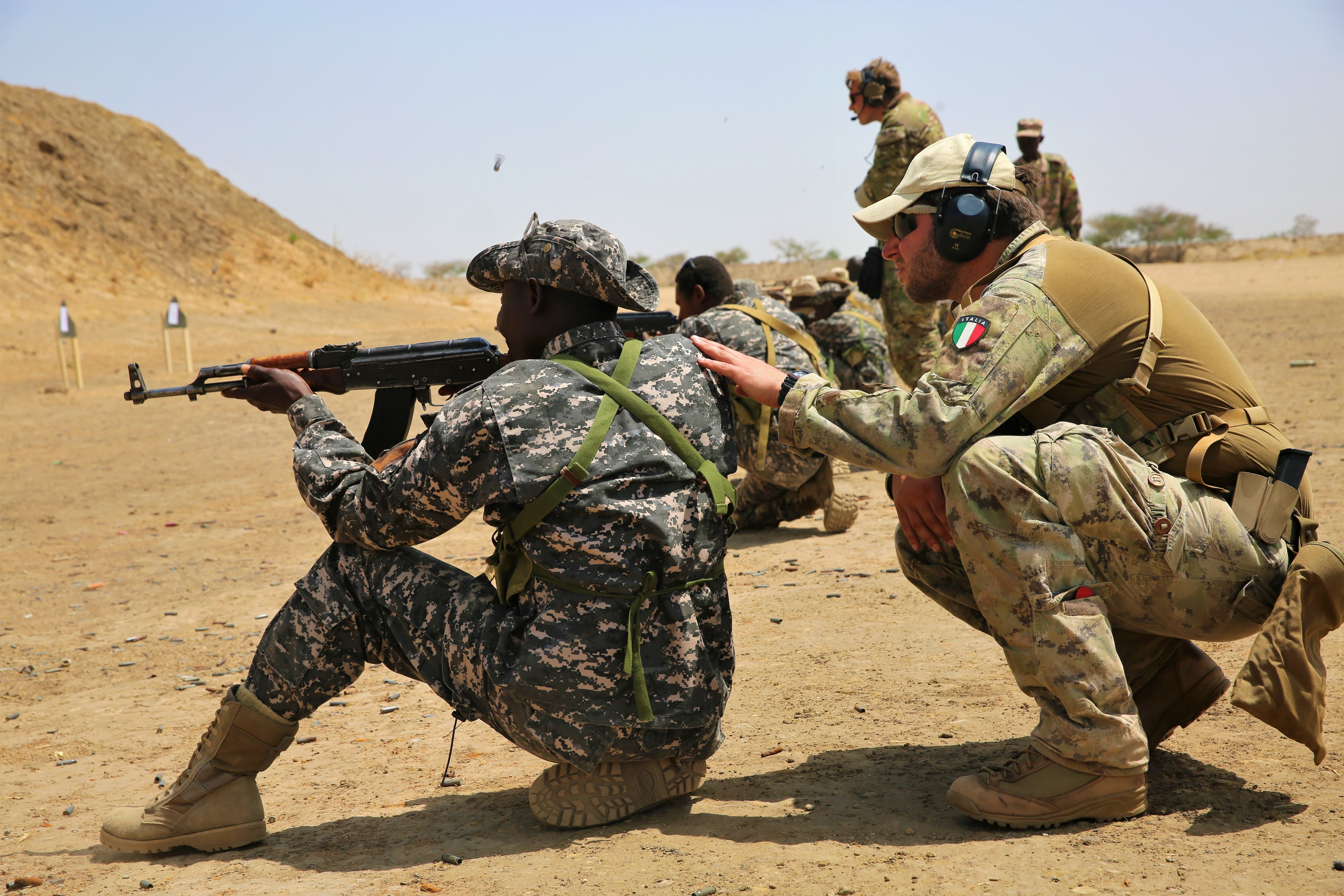
The Russian invasion of Ukraine has revitalized a lingering ambition in Europe to become a global security actor. While the significant growth in European defense budgets has coincided with a realignment of security policies towards the Eastern Flank, migration and other issues have brought security ties with African partners increasingly into view. From an African perspective, however, the value and sustainability of these ties increasingly depend on whether European security engagement responds to African priorities. At the same time, rivalling states such as Russia continue to increase military cooperation with African allies, causing strategic dilemmas for Europe. This seminar explores the future of African-European security cooperation in a post-colonial world. Considering the perceived failure of multilateralism and the enduring critique of neocolonial security interventions, how can African and European partners reinvent security cooperation?
Date 22 September
Time 16:00-18:00
Location Leiden University College
Speakers
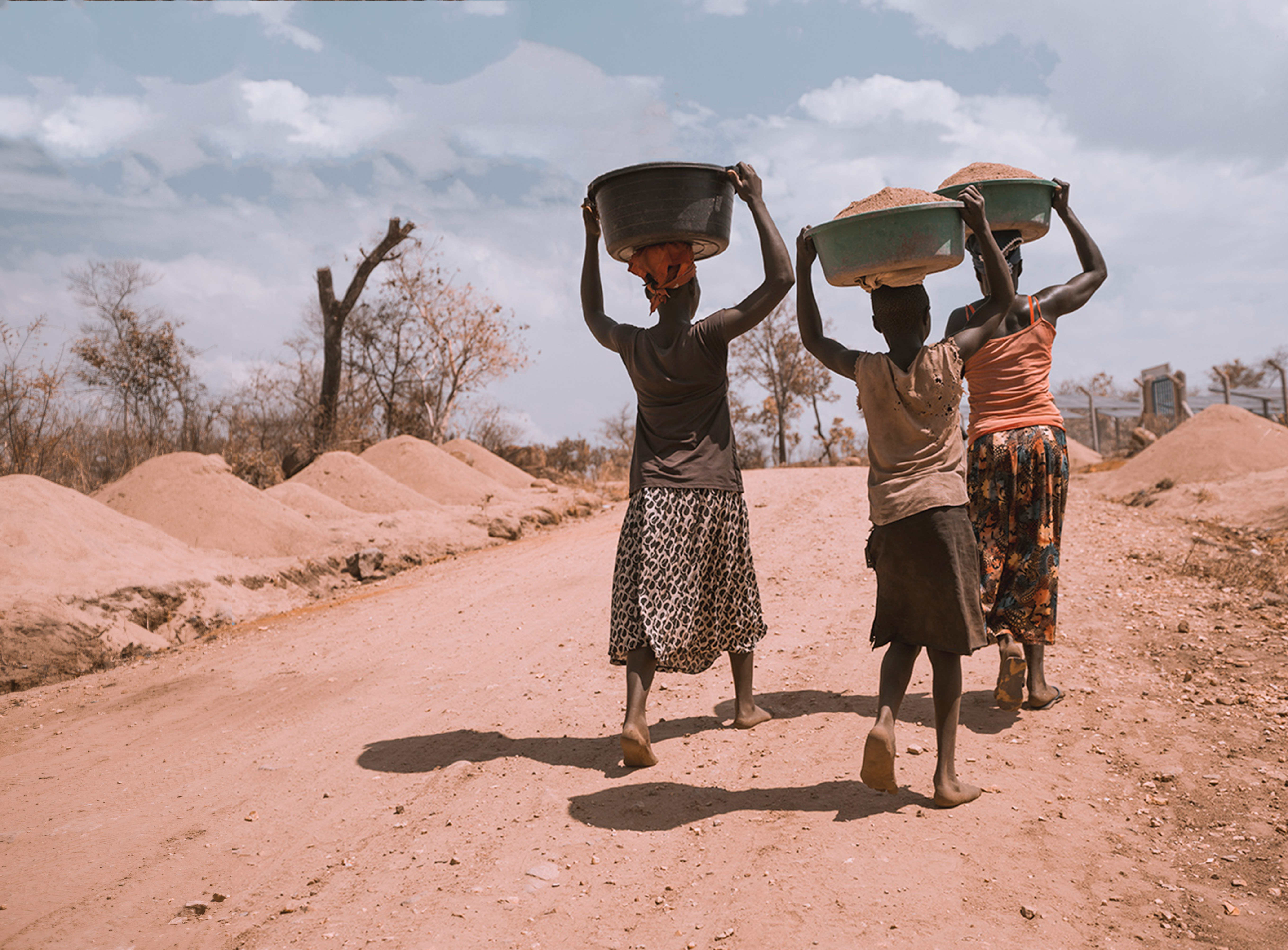
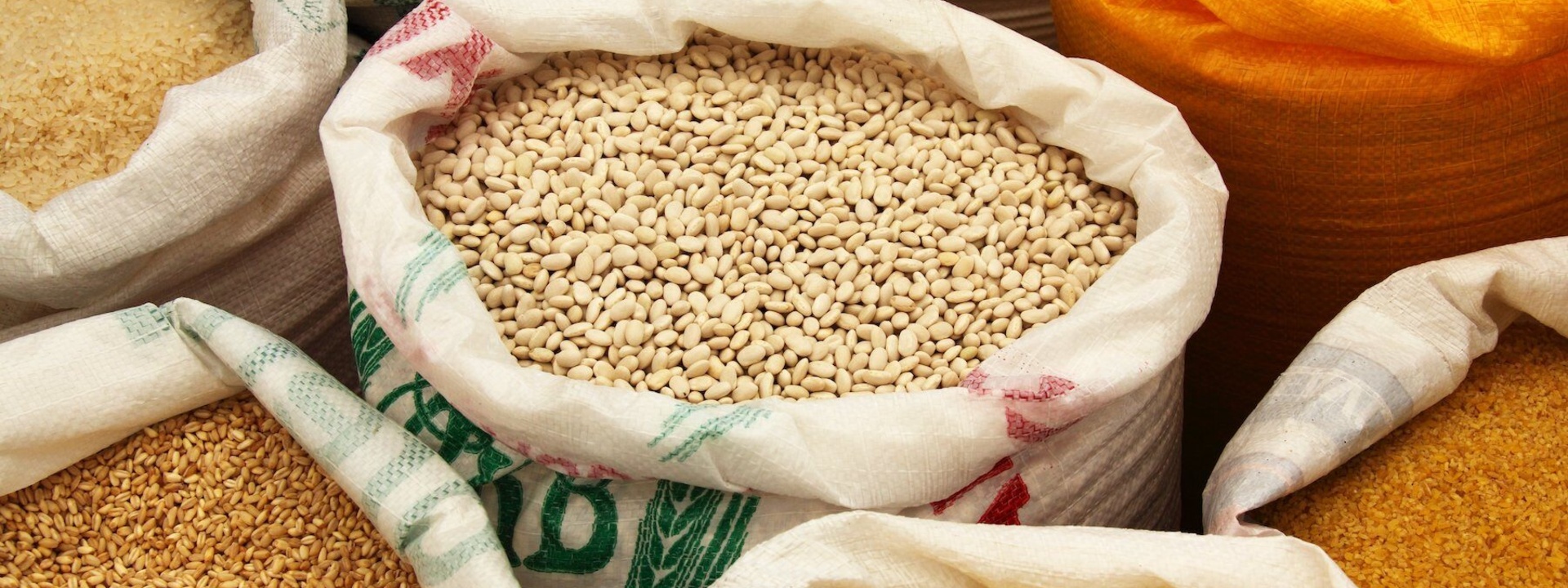
African economies are booming. With young and vibrant populations, an abundance in natural resources, and accelerating advancements in digital innovation and green technologies, African countries are attracting global interest. China’s Belt and Road Initiative is a well-known example of foreign direct investment, but by far not the only one. A wide range of middle powers – ranging from Türkiye, Brazil, South Korea and the United Arab Emirates are making inroads in African economies. At the same time, the spoils of economic growth are unequally divided, causing anguish and frustration that occasionally results in violence. This seminar explores the future of African-European economic cooperation in the context of strategic rivalry. Considering the ongoing securitization of critical minerals, raw materials and energy markets under the guise of Great Power competition, how can African and European partners find trade agreements that are equitable and beneficial to all?
Date 22 October
Time 16:30-18:00 (doors open 16:00)
Location
ASCL Seminar Room, 0.31
Herta Mohr-gebouw
Witte Singel 27A
2311 BG Leiden
Speakers
Unfortunately, due to a high priority event, our planned location is no longer available on 26 November. We are looking for a new date early December at the same location. Details to follow shortly.
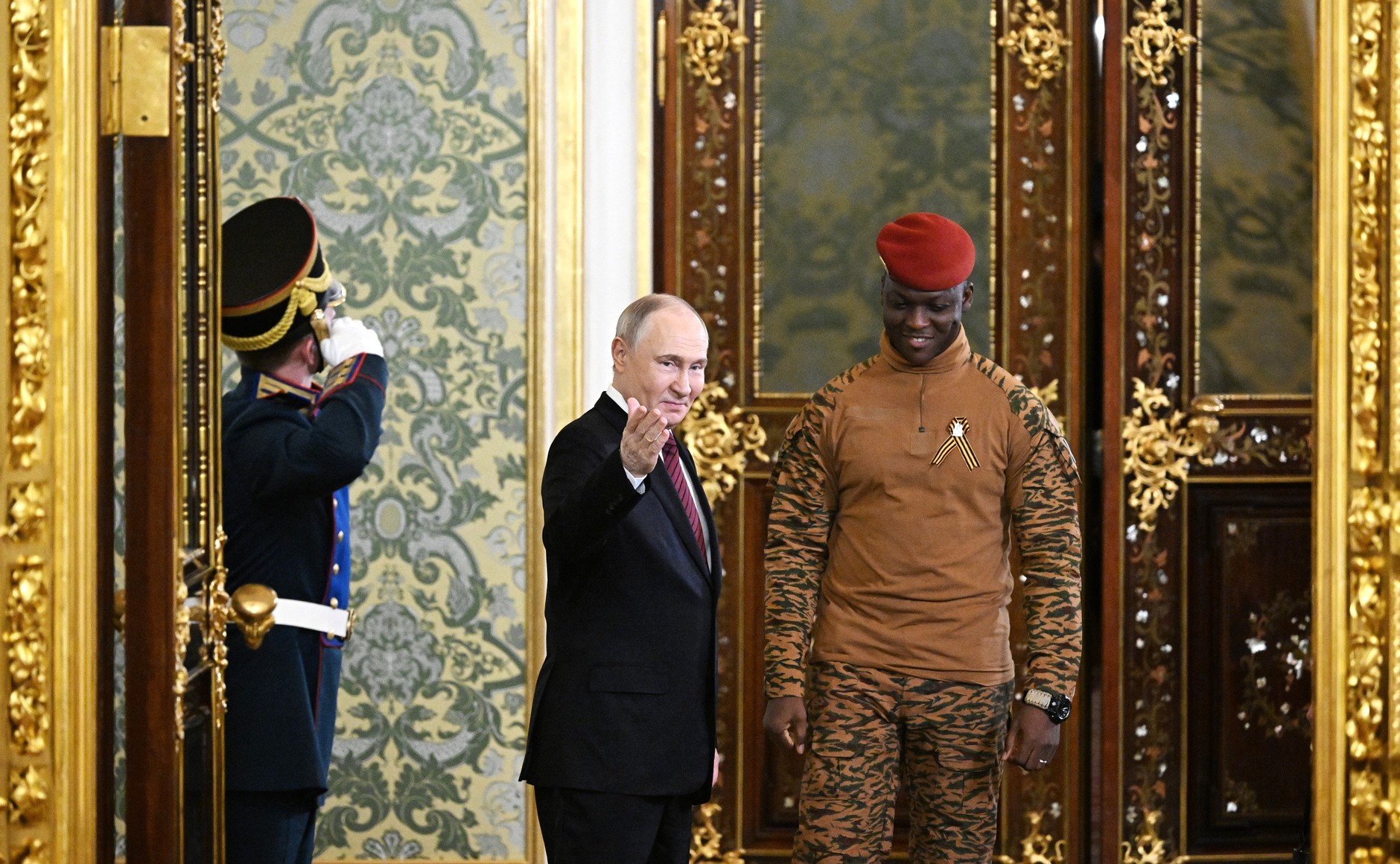
For African states and regional organizations, the rise of a multipolar world order offers fresh opportunities to assert independent foreign policies. Military non-alignment and economic freedom are closely intertwined with a confident display of diplomacy on the world stage. The Sahelian rejection of French influence, the Congolese decision to halt a long-standing United Nations mission, and the South African court case again Israel are signifying this trend. Europe has long been a supporter of African diplomatic initiatives, but is also burdened by a colonial past that continues to cast doubts about its methods and intentions. This seminar explores the future of African-European diplomatic cooperation through the lens of a multipolar world order. Considering their strained military relations and the ongoing securitization of economic assets, how can European and African partners find common ground in international diplomacy?
We are still awaiting confirmation of the speakers, and therefore the date could still change. Follow our social media for updates.
Note: registration for each individual event will remain possible until three days in advance. If you are not sure if you can attend the events of 22 October and/or November, you can always register for these events separately and at a later moment.