Image
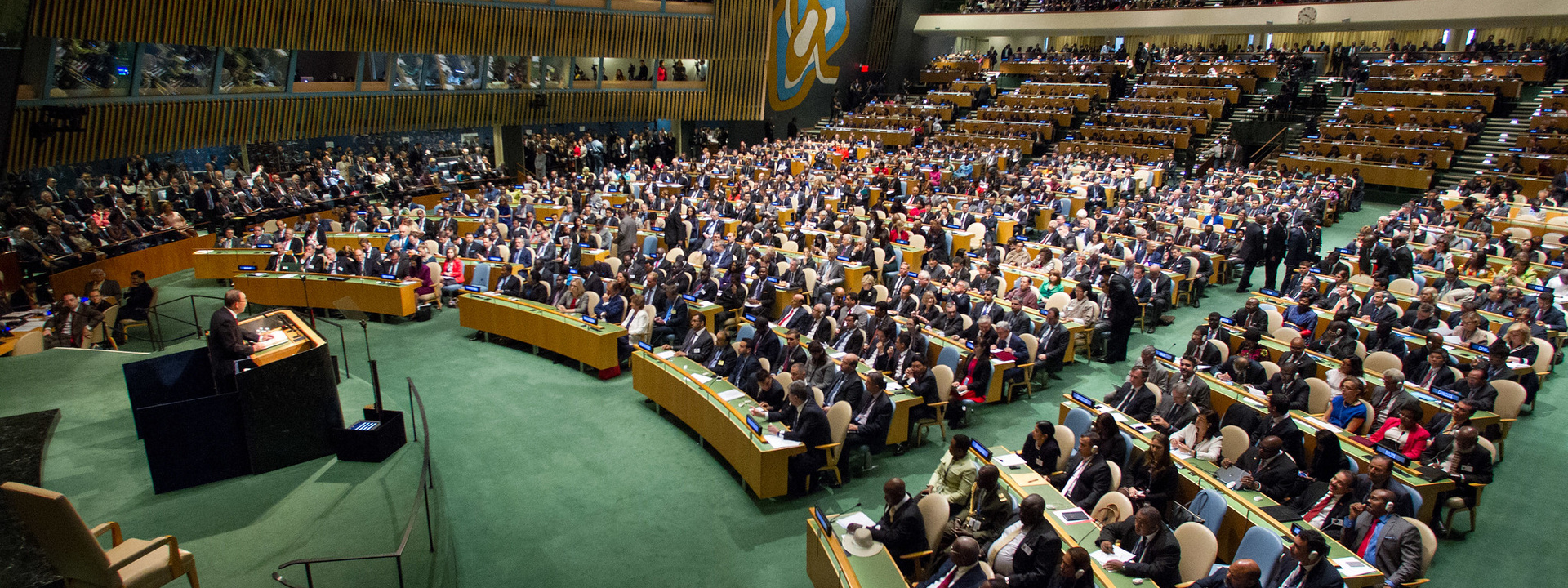

19 november 2026 | 13:30-18:00 | Universiteit Leiden, Campus Spui
Updates
Emerging disruptive technologies, discontinued arms control treaties and growing distrust in international relations demand a renewed focus on confidence measures. The current geopolitical climate has foreign policies focusing on deterrence, but whereas deterrence prevents war, it is the confidence building measures that promote peace - and with that prosperity and security.
Since the Russian annexation of Crimea and parts of the Donbas, arms control treaties between the former Soviet Union and the West are increasingly under pressure. Russian development of weapons systems that are prohibited under the Intermediate Range Nuclear Forces (INF) Treaty have led to the US withdrawing from this treaty. The Vienna Document and Conventional Forces Europe treaties, as well as the Open Skies treaty are no longer honoured by all of the signatory states. What is more, since the signing of the treaties, new technologies have emerged that pose a major threat to international security. Countries that are not part of the treaties now implement technologies and develop weapons systems that should be included in the treaties. AI, quantum and cyber weapons, and the emergence of autonomous weapons systems are all part of a new arms race.
Although arms control and deterrence are two sides of the same coin, little attention or effort is given to arms control. The current focus on deterrence - necessary as it may be - not only increases distrust, but has a major economic impact as well. And the risk of (inadvertent) escalation grows with it.
Where the political and military debate currently leave little room for discussing arms control, the academic debate can provide a first step in analysing the current situation, and identifying possible ways ahead. This symposium seeks to facilitate this academic debate, to question to what extent our way of looking at arms control still matches reality. How should arms control evolve to remain relevant in a world where emerging technologies, hybrid threats and a changing world order determine the future?
Program (final)
13:00 registration
13:30 opening: Video message DEFAT OSCE, LtCol Erwin Bieri
13:40 part 1: So What? Lectures by Dr. Davis Ellison and Rolien Sasse
15:15 break
15:30 part 2: Now what? Panel Discussion with Maria Branea, Sico van der Meer and Wim Zwijnenburg
16:50 closing remarks
17:00 network event with drinks
18:00 end of event
Location
Universiteit Leiden, Campus Spui, Spui 5, 2511 BL The Hague, Room 1B.12
Registration
Registration is still open. Stay tuned to our social media and website for updates!
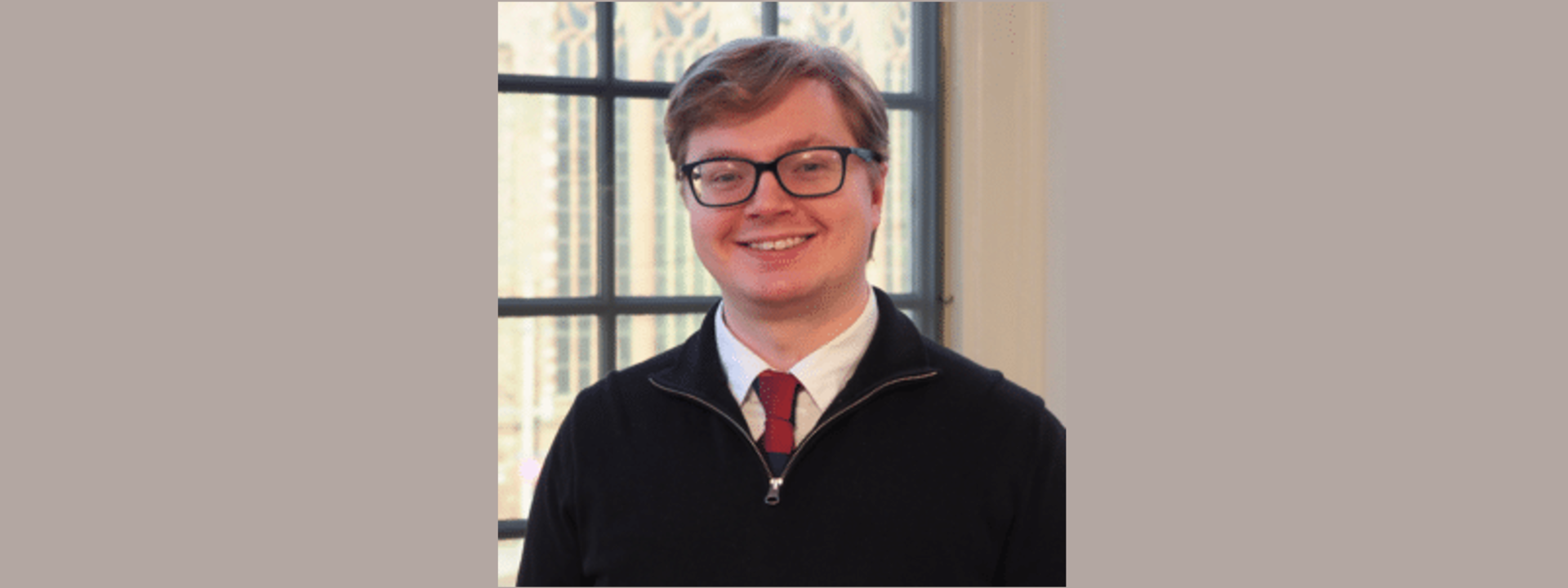
Dr. Davis Ellison is a strategic analyst at HCSS specialising in security and defence affairs and chair of the HCSS Initiative on the Future of Transatlantic Relations. His primary focus areas include civil-military relations, arms control, and strategy. He joins HCSS from NATO Allied Command Transformation, where he served for over three years as a strategist. In his time at NATO he was a co-author of the NATO Warfighting Capstone Concept, was responsible for military development elements of the Secretary General’s NATO 2030 initiative, and worked across a wide array of military-strategic issues for the alliance.

Rolien Sasse is the Executive Director of PAX, the largest peace organisation in the Netherlands. She has worked for more than 10 years in various countries across Africa and Asia and served as Director of the development organisation Simavi for eight years. Before joining PAX, she worked as a consultant. During this period, she established the Water, Peace and Security partnership, which brings together research institutes and NGOs working at the intersection of water scarcity and conflict. Rolien is a political scientist and a certified mediator. In September, she published her book “Peace: What It Is and Why It Is Possible” (“Vrede. Wat het is en waarom het kan”) with BlossomBooks. Drawing on her personal experiences, the book explores how each of us can contribute to building a more peaceful world.
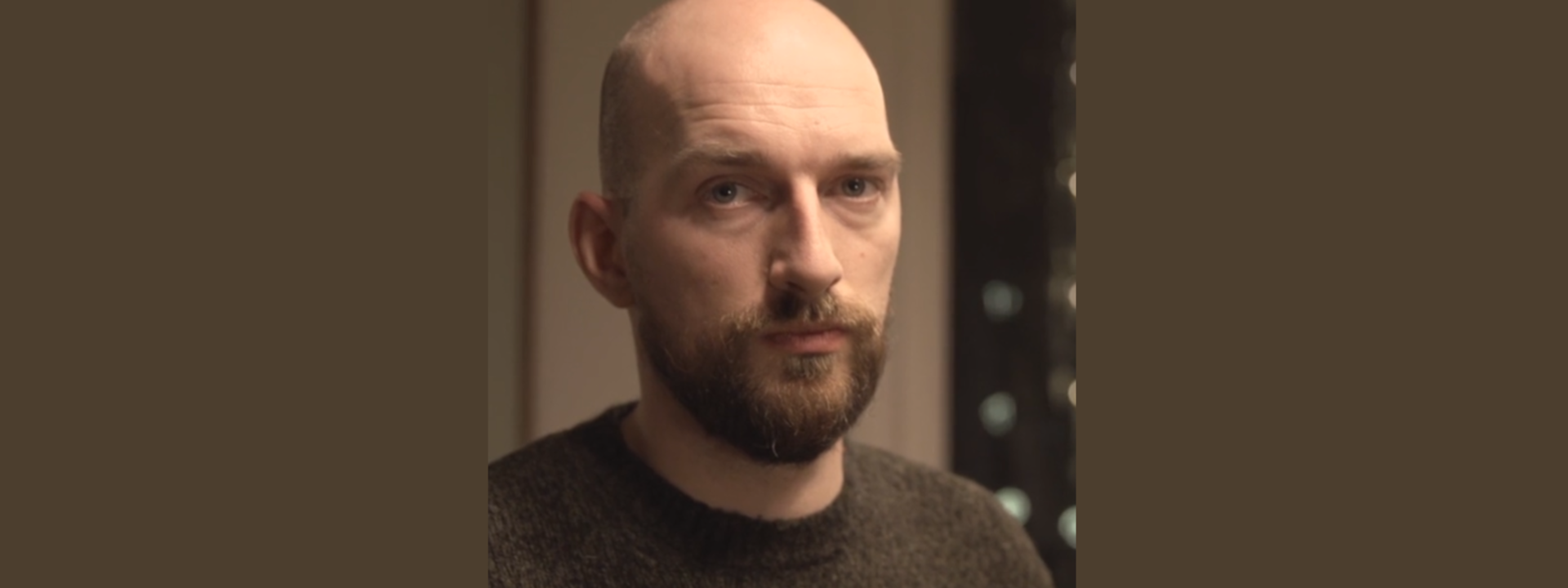
Wim Zwijnenburg is Humanitarian Disarmament Project Leader for the Dutch peace organisation PAX. His work focuses on emerging military technologies and their impact on how wars are being fought and consequences for arms proliferation. He is the author of numerous reports on proliferation of armed drones. He also works on the impact of conflict on the environment and has been involved in the Control Arms campaign on the Arms Trade Treaty. He holds a Master’s degree in International Development Studies and received a Philosophy scholarship from the Thomas More Foundation.
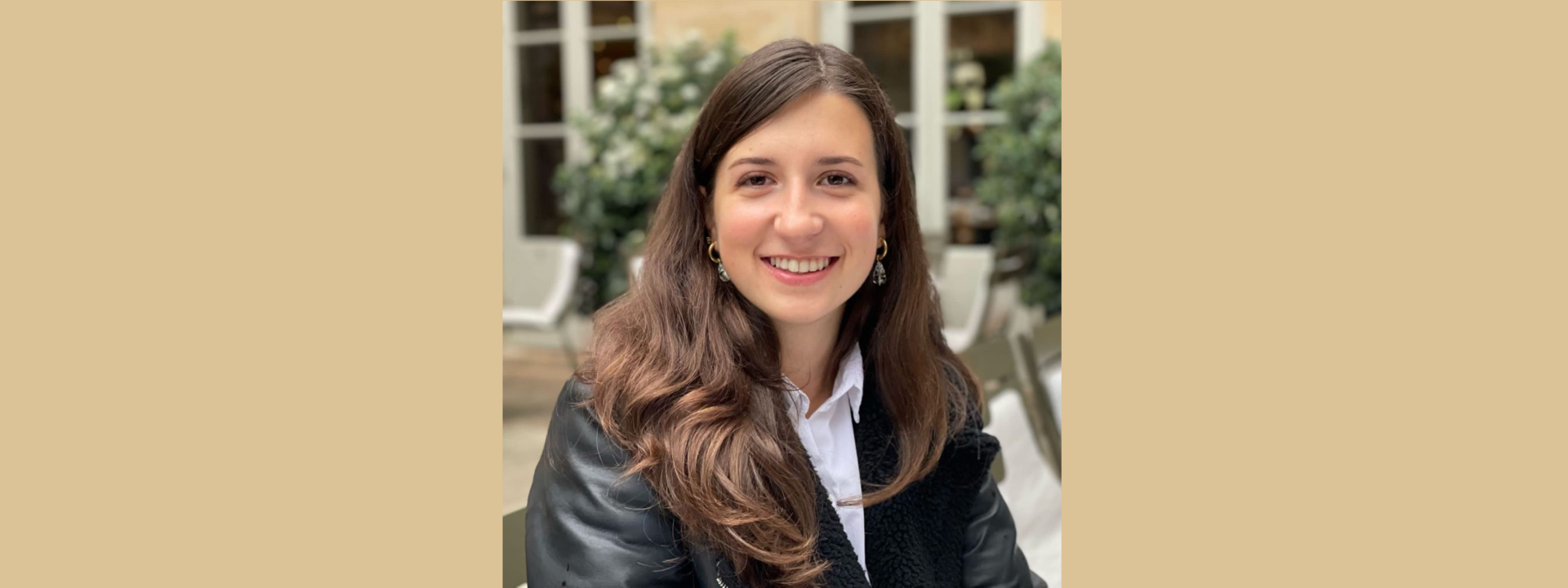
Maria Branea joined the European Leadership Network in April 2024 as a Research and Administrative Assistant on the Eurasia Futures project. Prior to joining the ELN, Maria worked as a Program Associate at LSE IDEAS, the London School of Economics’ foreign policy think tank, and the Romanian-based Ratiu Forum. While there, she assisted with the Russia-Ukraine Dialogues and the Central and South-East Europe Program, as part of which she coordinated the Journalism Program aimed at bolstering independent media in the region. She holds a Master’s degree in Russian and East European Studies from the University of Oxford, where she previously studied for a Bachelor’s in History.
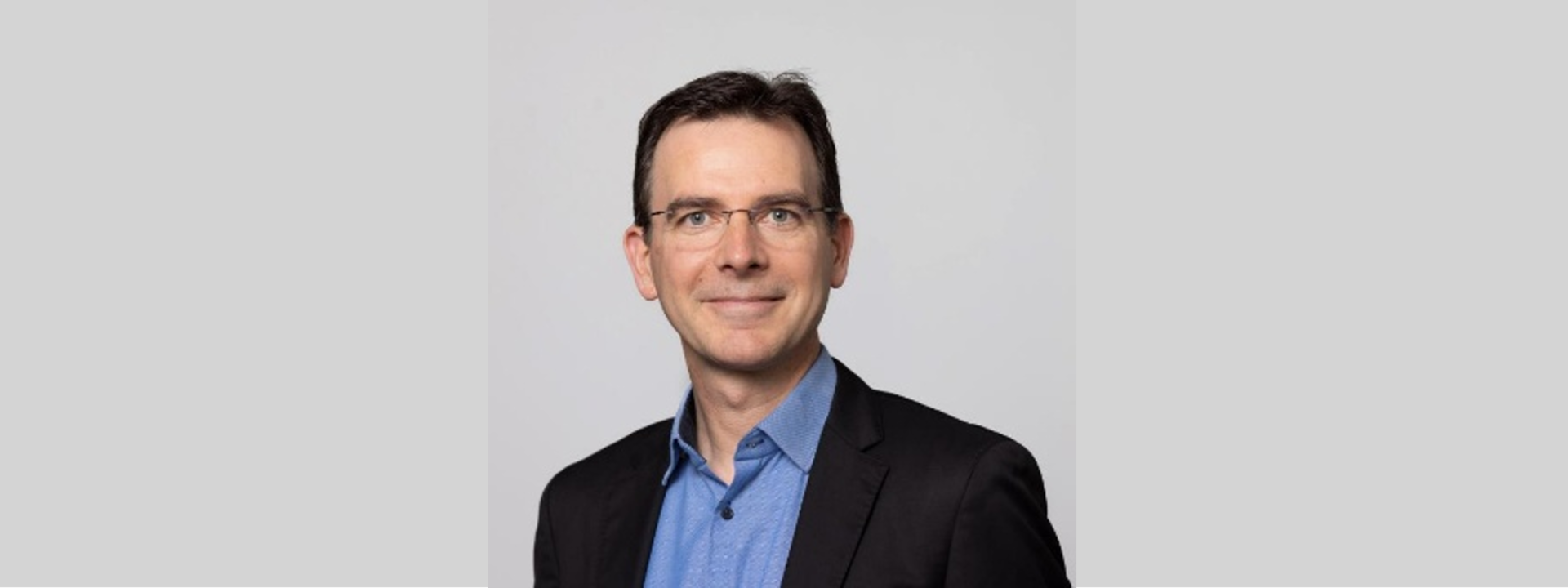
Sico van der Meer is a Senior Research Fellow at the Clingendael Institute. His research focuses on international security, especially weapons of mass destruction (nuclear, chemical and biological weapons), cybersecurity, and hybrid conflict. He is also a part-time Lecturer at Leiden University, teaching the course ‘The Politics and Strategy of Weapons of Mass Destruction’. A historian by education, he started his career as a journalist and has since spent 25 years working in the Dutch security-related think tank sector (SMK, TNO, Clingendael).